Kernel Science
What Makes Indian-Grown Popcorn Crunch
18 June 2026/4 min read
Crunch is not created by a seasoning or a country label alone. It is the result of decisions made while the crop grows, when the kernel is harvested and throughout the way each lot is handled before popping.
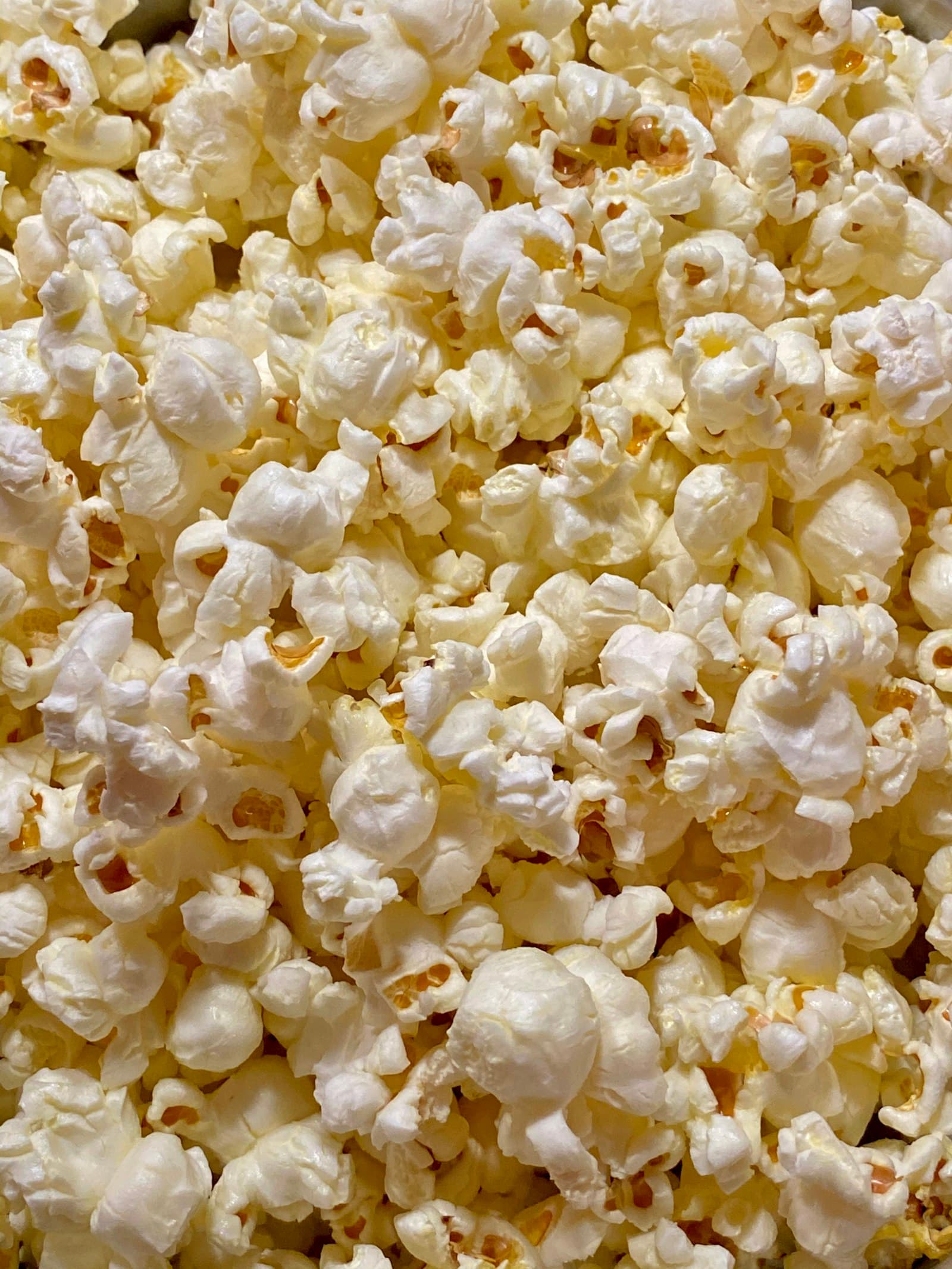
A popping-corn kernel carries a small amount of water inside a hard outer shell. Heat turns that water into steam. Pressure builds until the shell releases and the starch expands into the flake we eat. A sound shell and the right internal moisture make that transformation possible.
That is why crop timing and kernel integrity matter. Harvesting, drying and handling must protect the shell from damage. A cracked kernel can release pressure before the pop has fully developed.
Moisture also changes performance. Too far in either direction and a lot can behave differently in the popper. Conditioning is the controlled step that brings the kernel closer to the requirement of its intended application.
Butterfly and mushroom formats then solve different jobs. Butterfly kernels are selected for fresh-popped volume, while mushroom kernels are selected for coating and tumbling. The right question is not which is universally better, but which kernel is right for the product being made.
Venagro's Indian-grown system connects sourcing, grading and conditioning around that application. Buyers can begin with the outcome they need and work backwards to the kernel.